
Home Security Alarms: What You Need to Know Before Installation
IS
Understanding Home Security Alarms
Home security alarms are a crucial part of safeguarding your property. Whether you're looking to protect your family, valuables, or simply deter potential intruders, a well-installed alarm system acts as a vital line of defense. Before diving into the installation process, it’s essential to understand the components and features that best suit your needs.
Types of Home Security Alarms
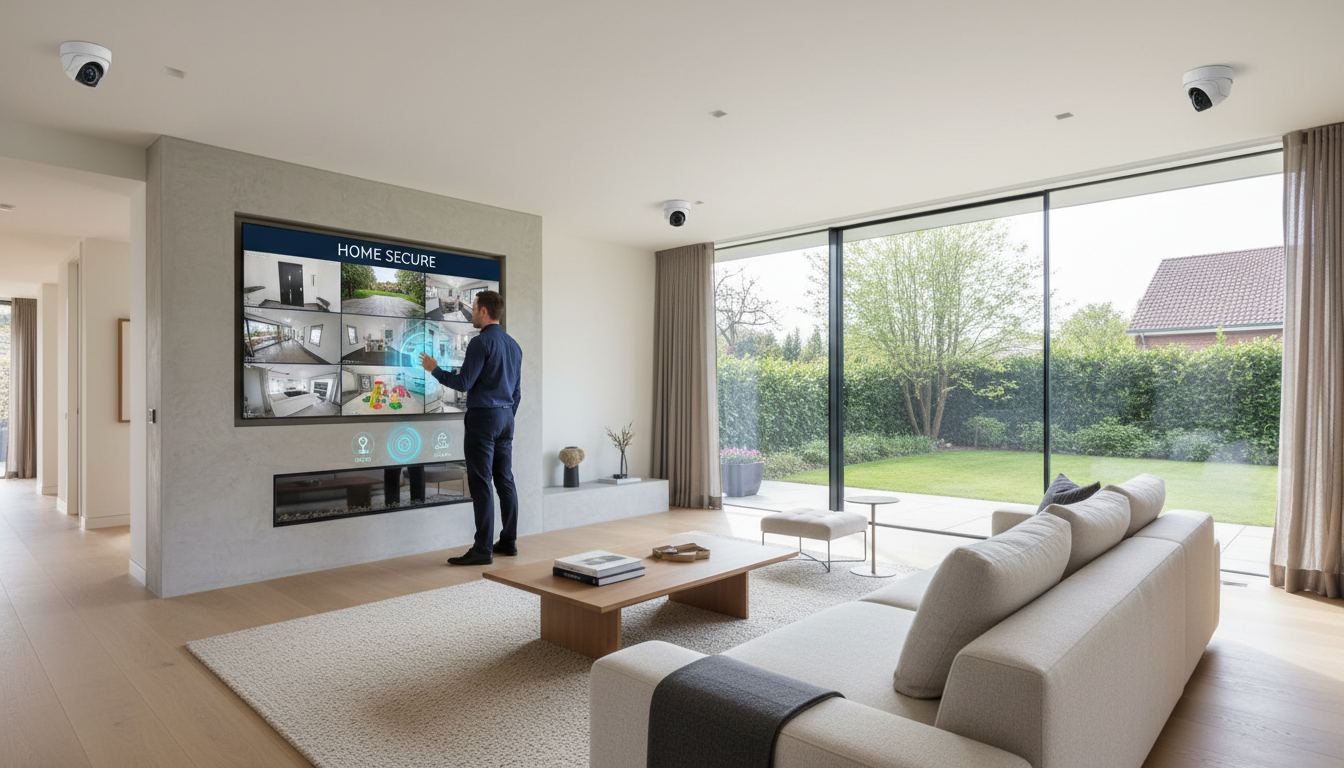
There are several types of home security alarms available, each catering to different security needs. Understanding the variety can help you make an informed decision:
- Monitored Alarms: These systems are connected to a monitoring center. If triggered, the center will alert authorities.
- Unmonitored Alarms: These systems emit a loud noise to alert homeowners and neighbors but do not contact authorities.
- Wireless Alarms: Ideal for renters, these systems are easy to install and move as needed.
Key Features to Consider
When selecting a home security alarm, consider features that enhance security and user experience:
- Smart Technology: Integration with smart home devices for remote control via smartphones.
- Camera Surveillance: Provides visual monitoring and recording capabilities.
- Environmental Sensors: Detects smoke, fire, and carbon monoxide.
Installation Tips and Considerations
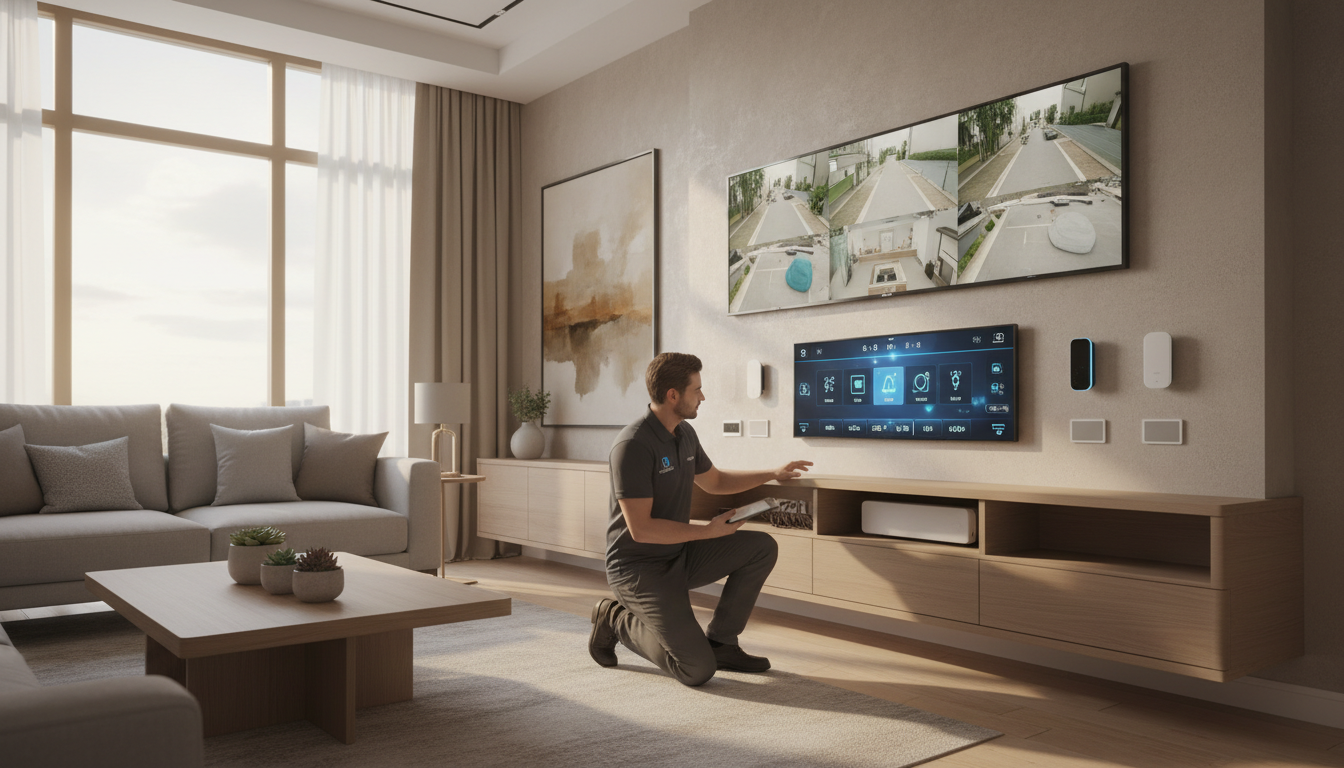
Proper installation is crucial to ensure the effectiveness of your security system. Here are some tips to guide you:
- Professional vs. DIY: Decide whether you want professional installation or prefer a DIY approach based on your budget and technical skills.
- Strategic Sensor Placement: Place sensors on entry points like doors and windows for maximum coverage.
- Regular Testing: Regularly test your system to ensure it's functioning correctly.
Cost and Budgeting
Understanding the cost implications of a home security alarm system is important. Costs vary based on system complexity, features, and monitoring services. Establishing a clear budget can help you narrow down options that offer the best protection within your financial means.

Legal and Privacy Considerations
Before installation, consider the legal and privacy implications of your security system. Ensure compliance with local laws, especially concerning camera surveillance. Respect neighbors' privacy by positioning cameras appropriately.
In conclusion, investing in a home security alarm is a significant step towards enhancing your home's safety. By understanding the different types, features, and installation nuances, you can choose a system that meets your needs and provides peace of mind.